
Reseach
Procedural Level Design
Research on platformer level design emphasizes rhythm, structure, and player-centered iteration. Procedural design models frame levels as rhythmic compositions built from components and patterns, guiding player flow through controlled variation, while user-centered studies highlight the importance of iterative testing and gradual difficulty progression. These ideas inform Tiny Witch Tale, where book-based domino physics are arranged in readable, rhythmic patterns that encourage experimentation, allowing players to learn mechanics through cascading cause-and-effect rather than precision-heavy execution.


Compton, Kate, and Michael Mateas. "Procedural Level Design for Platform Games." Proceedings of the Third Artificial Intelligence and Interactive Digital Entertainment Conference, 2006, pp. 109-111.
Ferdinand, Kelvin, Kevin Jonathan JM, and Darius Andana Haris. "Innovative Approach of 2D Platformer Mobile Game Development 'Super Journey'." Teknika, vol. 13, no. 2, July 2024, pp. 233-238.
Level Design
The game features three levels with a gradual increase in complexity. Level 1 introduces core platforming mechanics, basic enemies, and small demonstrations of domino interactions and effectors. Level 2 shifts focus toward domino-based puzzles, encouraging players to think in chains and cause-and-effect. Level 3 reintroduces combat-heavy encounters while adding water-game-inspired mechanics, combining learned skills into more dynamic and reactive challenges.


Game Mechanism Reference
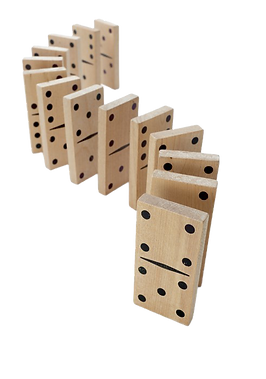
The core gameplay of Tiny Witch Tale draws inspiration from domino chains and classic Tomy water games, both of which emphasize cause-and-effect through simple physical interactions. In domino setups, a single action can trigger a cascading sequence, encouraging players to think ahead and design efficient chains using limited elements. This logic translates into book-based domino mechanisms in the game, where weight, balance, and spacing determine how the environment responds.
Tomy water games introduce a different type of physics interaction. It contained systems where pressure, timing, and directional force create playful unpredictability. Rather than precise control, players work with the system, nudging it until the desired outcome emerges. In Tiny Witch Tale, this idea informs puzzle mechanics that favor experimentation and observation over strict execution, reinforcing a tactile, toy-like feel within the pixel-art world.


Game Art
Tiny Witch Tale adopts a pixel art style to create a cohesive, tactile world inspired by interior spaces. The player character is animated through hand-crafted sprites for idle, running, jumping, and death states, emphasizing clear readability and expressive movement. Environments are built using pixel tile maps, with book platforms and architectural elements forming a layered, atmospheric backdrop that supports both gameplay clarity and mood.


