

Just an Island
Walking Simulator | 2025 | 3D | Problem solving
You arrive as the festival’s photographer—but the river has been rising, the rain hasn’t stopped in days, and the community feels suspended between memory and routine.
Use your camera, navigate the skybridges, help the locals, and follow Ceci into hidden corners. The island may be small, but every room remembers something.

Fest Float
A floating island community restores connections between people and water. This project lends itself naturally to the format of a walking simulator because its central theme is the experience of place through movement, memory, and atmosphere. Translating it into a game transforms architectural space into a narrative of remembrance. In this way, the project shifts from designing physical environments to designing experiential rhythm
Inspiration: Architecture hybrid in Pittsburgh


Gameloop & Game Play


The core mechanic of the game is the retro film camera player carry everywhere. At first glance it behaves like any old analog camera as it enable frame, shot, press the shutter, and a physical photo prints instantly. Every picture player take, no matter when or what you shoot, produces a tangible print that can kept, examine, or give to NPCs.
Every so often, instead of capturing the present moment, the camera will flash back and reveal an image from the island’s past. These photos show people, places, or objects as they once were: characters years younger, recipies that no longer remembered, or the good old time when people still hang out. These unexpected glimpses into history become essential clues. They can spark memories in the island’s residents, unlock new dialogue, and guide the player toward solutions for current problems.
As the story progresses, all flashback photos are automatically added to the gallery wall, a communal archive space inside the living quarters. The wall slowly fills with fragments of the island’s forgotten days, letting players physically walk through the past and see how every memory connects.


Storyboards


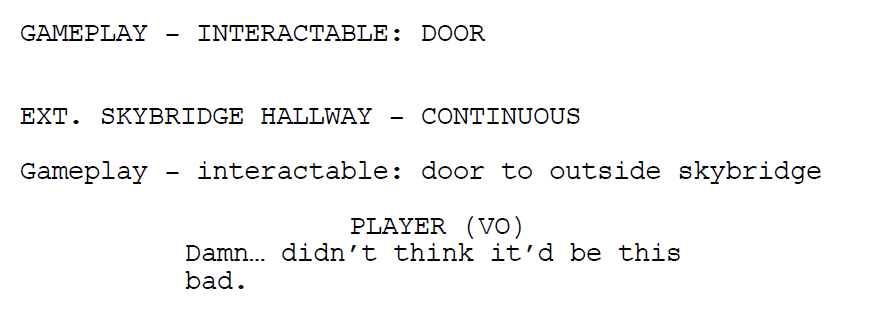
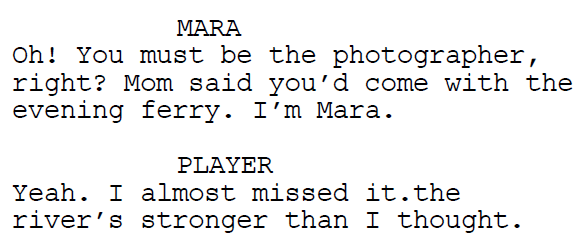
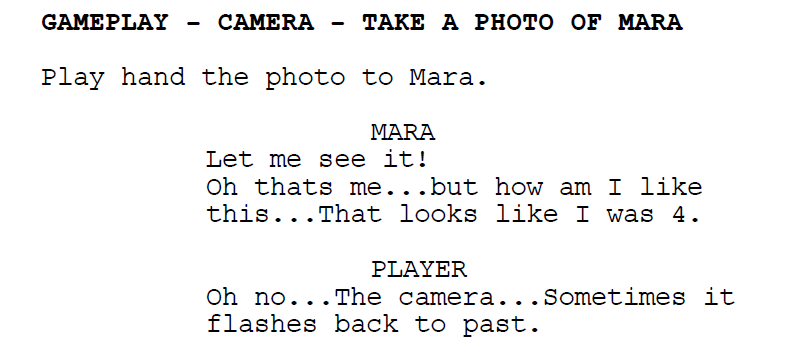
Narrative and Plot
Character Design
Mara
Age: 17
Role: Pet daycare worker / daughter of the island’s organizer
Location: Pet center, cafe area
Mara acts as the player’s first guide and anchor. Her dialogue introduces the tone of island life. Through her eyes, players glimpse what the community used to be: lively, tight-knit, with old rituals like the festival.
Gameplay presence:
-
Introduces core mechanics: camera tutorial, navigation between spaces.
-
Her cat Ceci creates the first chain of events leading to the island’s leak mystery.
-
Her later scenes oscillate between light humor and subtle melancholy.
Ceci
Age: 5(cat years)
Role: Mara’s pet / symbolic “messenger” between spaces
Location: Pet center, cafe area
Independent but attached to Mara, often seen watching people from elevated spots. She tends to vanish before storms. Locals say animals sense changes before humans do.
Gameplay presence:
-
Introduces chase/interactable mechanics.
-
Acts as a soft environmental guide, where Ceci runs, something significant usually lies ahead.
-
Later, she might appear in old photos the camera takes, even in places she shouldn’t have been.
Kai
Age: 22
Role: Architecture student / island repairman and fisher
Location: Communal living and lower docks
Grounded, dry sense of humor, quiet but thoughtful. He treats the island like a living system as something he both maintains and mourns. He’s the one who sees the island’s architecture as fragile “lungs,” always leaking or patching.
Gameplay presence:
-
Introduces crafting/fishing mechanics and teaches the player how the island functions physically.
-
Serves as an emotional midpoint character, bridges the island’s human and structural conditions.
-
Later becomes the player’s ally when investigating the flooding or mechanical failures.choly.


Interactable Object
The water level raise and falls according to the wheather information along the gameplay plot. It simulate the flood system and constrain the movable area for the player. As the player experience the island, the water level might continuously goes up and down, leaving different areas for exploration.


Dialogue trigger: taking to the NPCs, pushing and processing the storyline to beyond.

Fishing on the deck, enabling the player character to get prepared to the island life sytle. This mechanism only exists when the lower dock is available for exploration.

Playtests and Feedback


Images have been modified using Gemini to protect playtester anonymity while preserving the context of the session.
Experience
“The camera really ties the narrative together.”
“Flashbacks were surprising and cool, felt meaningful.”
“I love getting physical photos.”
The camera mechanic created excitement and surprise. Characters (especially Mara and Ceci) created warmth and connection.
Hypothesis
Enhancing environmental cues and adding subtle guidance will reduce disorientation without diminishing exploration.
Early-game objectives and backstory context can be reinforced to ground players in the island’s story while keeping mystery intact.
Observation
All players quickly experimented with the camera.
Players like the multi-floor village concept, but environmental readability is too low.
They are struggling with vertical transitions, visual hierarchy, and interactable visibility.
Advice
Implement a guided first flashback and add subtle visual/audio hints to indicate upcoming flashbacks. Highlight the gallery wall early to reinforce the connection between physical photos and the narrative. Add minor animated elements such as rain.
Ratings of different gameplays

The playtest demonstrates that Just an Island has a solid core
of gameplay enjoyment, with particularly strong narrative and
camera-driven elements. Improvements in navigation clarity, interaction
affordances, and task guidance will enhance overall
player experience and accessibility.


Art & World Atmosphere
Clarity of Goals
Camera
PlayerRaycast
Interactable Obejct


